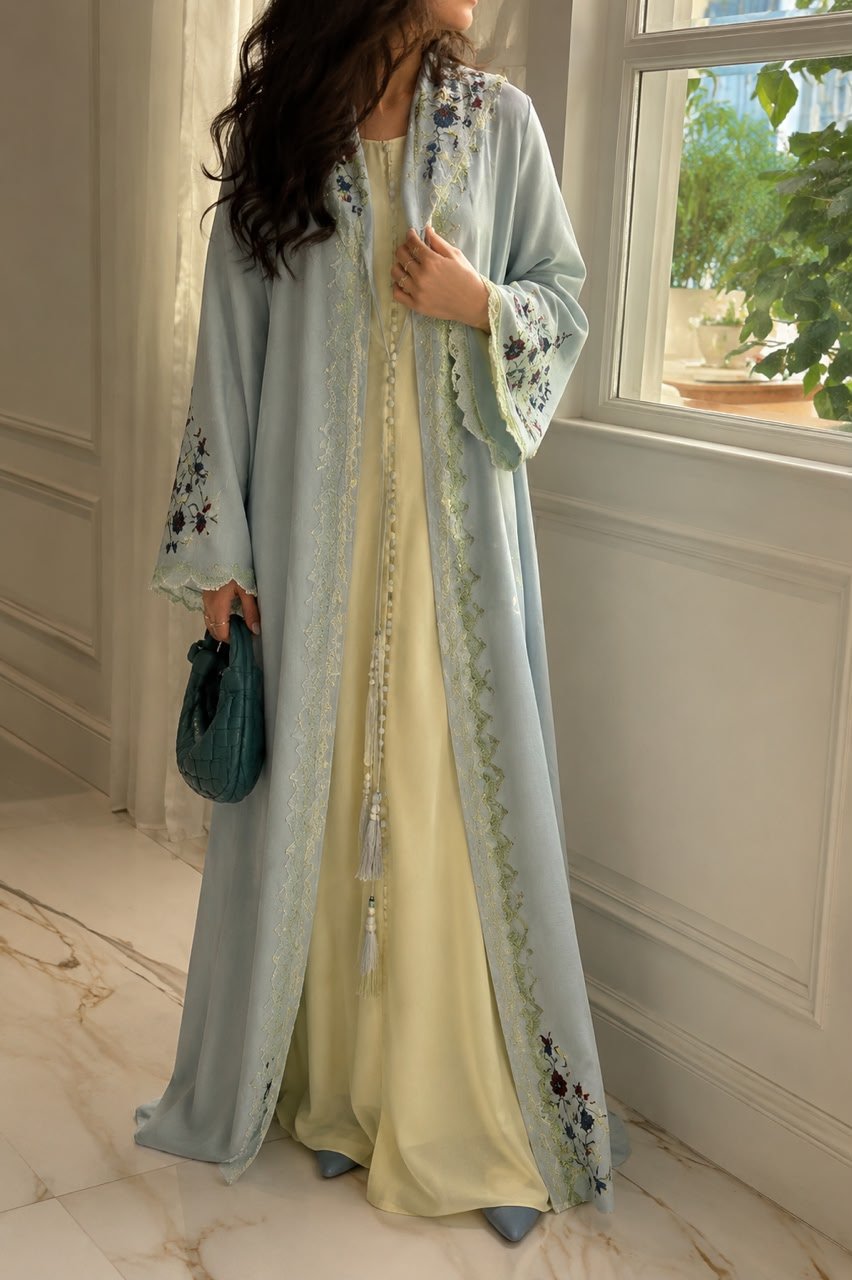
Starting a modest-clothing brand is a sequence of commercial and product decisions, not a logo followed by a bulk order. Define the customer problem, price ceiling and product promise first; then build a first collection that can be documented, sampled, funded, explained and improved after real customer use.
Decision comparison
First-collection decisions and the evidence each needs
Use this map to identify the next decision. A launch should not move forward because one attractive sample makes every other assumption look approved.
| Decision | Evidence to prepare | Risk if skipped | Useful next gate |
|---|---|---|---|
| Customer promise | Repeated need, use occasion, coverage and price evidence | A broad range with no clear buyer | Approve one specific product promise |
| Retail and landed cost | Target price, fees, fulfilment, returns, margin and cost ceiling | A product that cannot support the business | Set the maximum landed-cost basis |
| First assortment | Style roles, shared materials, colour and size matrix | Cash spread across too many variants | Approve a learnable range architecture |
| Product specification | Flats, measurements, BOM, construction, artwork and status | Quotes and samples based on different products | Issue one controlled development brief |
| Production quantity | Approved product, supplier quote, MOQ assumptions and cash plan | Unverified inventory exposure | Confirm the project-specific order matrix |
| Launch readiness | Accepted product, product-page facts, fulfilment and support route | Marketing an item the operation cannot deliver clearly | Close every customer-facing launch gate |
1. Define the customer before the aesthetic
Write down where the customer lives, what she wears the garment for, her coverage preferences, climate, usual size frustrations and realistic spend. ‘Women who like modest fashion’ is too broad to guide fabric, fit or price.
Choose one launch promise: breathable workwear, elevated occasion abayas, travel-friendly layers or size-inclusive everyday dresses. A focused promise makes product decisions and content easier.
2. Build price architecture backwards
Start from the intended retail price and subtract taxes, payment fees, fulfilment, returns allowance, marketing and target margin. What remains is the maximum landed cost, including manufacturing, freight and duty.
If the design cannot fit that cost, change the fabric, construction, embellishment or channel before sampling. Do not assume volume will rescue an unprofitable product later.
3. Keep the first collection learnable
Three to five coordinated styles can teach more than twelve unrelated ones. Share fabric and trims, limit colours and create clear roles: entry piece, core bestseller and statement piece.
Plan size depth deliberately. A style with many colours and sizes can spread a small quantity too thin, creating stockouts in popular combinations and leftovers in others.
- One recognisable customer promise
- Shared fabric family
- Controlled colour palette
- Clear size and length strategy
- One hero product for campaign focus
4. Turn designs into production documents
Create technical flats, measurements, BOM, construction notes, artwork and labels before requesting serious quotes. A moodboard explains taste; a tech pack explains the garment.
Give each style a code and keep revisions organised. These files become business assets: they make quotes comparable, sampling traceable and reorders more reliable.
5. Sample for the real customer
Review the sample on the intended body range, in movement and under realistic light. Check opacity, sleeve reach, opening coverage, sitting comfort, pocket access, hem level and care behaviour, not only whether it matches the sketch.
Record corrections numerically and approve a pre-production sample in final materials. Campaign photography should not begin until the product being photographed matches the product that will ship.
6. Launch with a reorder and feedback plan
Decide what evidence will trigger a reorder: sell-through by style, wait-list size, return rate and customer comments by size. Keep production lead time visible so you can reorder before the best seller disappears for a season.
Collect structured feedback after delivery. Ask about fit, opacity, fabric feel, length and use occasion. Use the answers to revise the next tech pack rather than relying only on social engagement.
- Product pages with exact measurements
- Clear care and fabric information
- Size and length guidance
- Launch content using the actual garments
- Post-purchase feedback and defect tracking
7. Gather customer evidence before fixing the assortment
Moodboards and competitor research show what already exists; they do not prove which problem your customer will pay you to solve. Interview people who match the intended customer, review their current garments and record repeated needs around coverage, climate, fit, care, length and occasion.
Test the proposed price and product promise with something concrete: a fabric swatch, sample, fit session, wait-list page or small set of product concepts. Separate polite interest from stronger signals such as detailed fit feedback, email sign-ups, deposit-ready enquiries or repeat requests for the same feature.
- Repeated wardrobe problem
- Preferred garment and use occasion
- Coverage, fit and length requirements
- Acceptable care routine
- Price expectation and purchase trigger
8. Approve quantity only after the product scope is known
Manufacturing MOQ is project-specific. It can change with garment construction, fabric availability, colour split, embellishment, trims, labels, packaging and the suppliers involved. Ask for a written quotation tied to the approved specification instead of treating a general minimum as a final production answer.
Model the quantity by style, colour and size before placing an order. Include sampling, bulk materials, production, quality checks, freight, duty, fulfilment, payment fees and a returns allowance in the cash plan. Keep enough working capital for launch activity and corrections rather than committing the entire budget to stock.
9. Use launch gates instead of one fixed launch date
A public date should follow evidence, not replace it. Set approval gates for customer proposition, cost and margin, technical files, fit, final materials, pre-production sample, bulk quality status, product-page information and fulfilment readiness.
Give each gate an owner, evidence requirement and latest decision date. If one gate remains open, record the effect on photography, production or dispatch before announcing a date. This keeps urgency from turning an unresolved product decision into a customer-facing problem.
- Customer and product promise approved
- Landed-cost plan reviewed
- Final sample and specification aligned
- Bulk and packaging checks documented
- Delivery, returns and customer support ready
10. Turn the first drop into the next product brief
Review results by style, colour, size and acquisition source rather than using total sales alone. Combine sell-through with returns, exchanges, defects, fit questions, delivery issues and customer comments to see whether the problem sits in the product, product page, audience or operations.
Write a post-launch decision record: what stays, what changes, what needs another sample and what will not be repeated. Update the relevant tech pack and approval reference before reordering. The purpose of a controlled first collection is to create better evidence for the second one.
- Demand by style, colour and size
- Return and exchange reasons
- Fit, opacity and care feedback
- Defect and delivery patterns
- Reorder, revise or discontinue decision
11. Prepare the customer-facing product truth
Before marketing begins, translate the approved product into information a customer can use: material composition where known, opacity and layering guidance, care, finished measurements, fit reference, garment length, colour presentation, included pieces and relevant construction or embellishment details. Keep claims aligned with the actual approved product rather than the early concept.
Connect the product page to the real fulfilment and support route. Confirm stock status, order processing, delivery basis, returns or exchanges, customer contact and any pre-order or made-to-order condition before taking payment. Requirements differ by market and channel, so obtain appropriate professional advice for country-specific legal, tax and consumer obligations instead of copying another store's policy.
- Approved product name and colour
- Material, care and opacity information
- Finished measurements and fit guidance
- Accurate imagery of the sale product
- Delivery and return route
- Customer-support ownership
12. Send a decision-ready project brief
When requesting development or manufacturing support, send the information that changes the route: garment categories, style count, customer and price position, available designs or technical files, material direction, colour and size plan, branding, packaging, target quantities, destination, current sample status and the commercial date you are working towards.
Ask the provider to return a written scope covering deliverables, revisions, inputs, responsibilities, sample stages, assumptions, exclusions, fees, payment milestones, timing basis and the factors that determine MOQ. Zameett confirms scope before payment. Manufacturing minimums and practical timing remain project-specific because garment, fabric, colour, embellishment, trims, packaging, suppliers and destination can change the route.
Frequently Asked Questions
Questions about this topic
How many styles should a first modest-clothing collection include?
There is no universal number. Choose a range small enough to fund, document, sample, market and learn from properly. Reduce unnecessary colour and trim variation before removing the product evidence needed to test your core promise.
Do I need a tech pack before contacting a manufacturer?
A clear brief can start an early conversation, but comparable quotations and controlled sampling require defined designs, measurements, materials, construction, artwork and approval status. Confirm what is still provisional.
What determines the MOQ for modest-wear production?
MOQ is confirmed for the project and can depend on the garment, fabric, colour split, embellishment, trims, labels, packaging and supplier requirements. Request the minimum and its assumptions in writing before payment.
When is a modest-fashion product ready to launch?
Launch after the approved product, specification, bulk quality status, product-page information, fulfilment route and customer policies agree. A calendar date alone is not evidence that these decisions are closed.
How much money is needed to start a modest-clothing brand?
There is no universal amount. Build a project budget from design and technical development, samples, materials, production, branding, packaging, quality checks, freight, duties where applicable, fulfilment, returns, content, marketing and working capital. Obtain quotations for the defined product before choosing the production quantity.
Should a new modest-fashion brand use pre-orders or hold stock?
Either route can be appropriate when it is explained accurately and supported operationally. Pre-orders can reduce finished-stock exposure but still require product, supplier, payment, delivery and refund planning. Stock can support faster fulfilment but commits cash before demand is proven. Compare the customer promise and risk for the actual launch.
Apply This to Your Collection
Develop your next product with a clear scope.
Share your category, style count, available files, quantity and target date. Zameett will recommend the most suitable design, technical-development, sampling or reviewed production route.