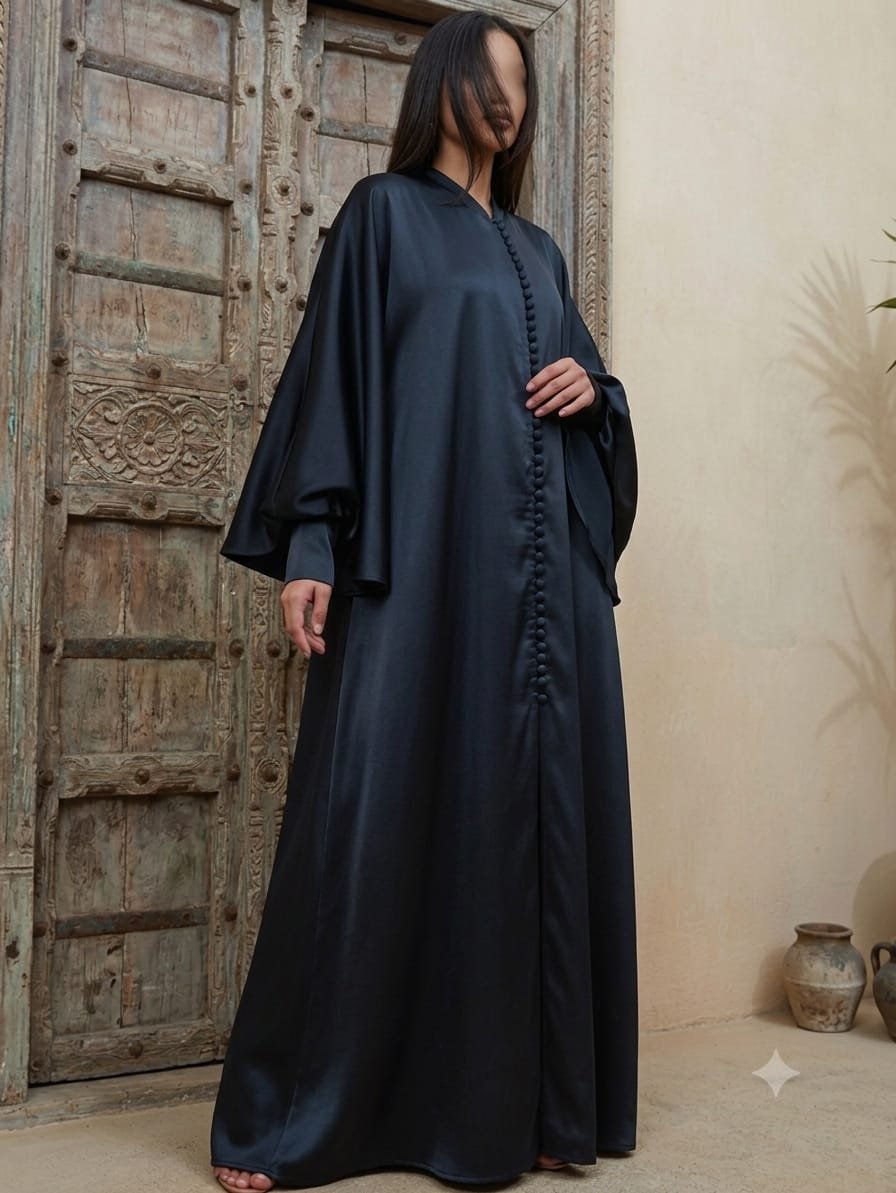
Private-label and custom clothing manufacturing can both put your name on a garment, but they do not give a brand the same control over the underlying product. Supplier terminology varies, so the useful comparison starts with what is already developed, what can change, who owns the files and which decisions must be approved before production.
1. Define the supplier's private-label offer
Private-label apparel often starts from a garment, pattern or specification that the supplier has already developed. The brand may choose from available silhouettes and materials, then add approved labels, packaging, colours or decoration.
The term is not applied consistently. One supplier may mean an unchanged stock garment with new branding; another may allow limited fabric, measurement or detail changes. Ask for a written list of what is fixed, selectable and newly developed instead of relying on the label alone.
- Who owns the base pattern
- Which fabrics and colours are available
- Permitted fit or construction changes
- Branding and packaging options
- Whether the same base is offered to other buyers
2. Define a fully custom route
Custom development begins with a brand-controlled brief and resolves the garment through technical drawings, measurements, materials, construction, pattern work and samples. The approved product should be linked to a current specification rather than inferred from a reference image.
This route gives more control over silhouette, fit and detail, but it creates more decisions before bulk production. Pattern development, material sourcing, artwork, sample corrections and approval records need time, budget and a named decision owner.
3. Compare product control and differentiation
Private label can be suitable when the brand advantage comes mainly from curation, styling, service, decoration or speed. Fully custom development is more relevant when proportion, coverage, fit, fabric behaviour, construction or signature detail is central to the customer promise.
Write down the product features that customers should notice and ask which route can control them. A custom label does not make the underlying garment exclusive, while a custom specification does not guarantee exclusivity unless ownership and reuse terms are agreed.
- Silhouette and fit control
- Fabric and trim choice
- Construction and finish
- Artwork and embellishment placement
- Pattern, specification and design ownership
4. Compare development and approval work
An existing base can shorten development because the supplier has already resolved part of the pattern, sourcing and construction. The brand still needs an approval sample that reflects the agreed material, colour, branding and decoration before production.
A custom product normally needs a more deliberate sequence: brief, technical development, pattern, prototype or fit sample, corrections and an appropriate pre-production approval. The exact stages depend on product risk; skipping a decision does not remove it, it transfers the decision to production.
5. Compare MOQ, cost and cash exposure
MOQ is not determined by the route name alone. It may be driven by fabric, dyeing, printing, embroidery, trims, labels, packaging, pattern setup or the supplier's production plan. Request the minimum per style, colour and technique together with the assumptions behind it.
Compare total landed exposure rather than one unit price. Include development and sample charges, material commitments, branding setup, inspection, freight, duties where applicable, storage and the cash left for marketing or reorders.
- Development and pattern charges
- Sample and revision costs
- Minimum by style, colour or technique
- Bulk unit price and quantity split
- Inspection, packing, freight and stated exclusions
6. Check ownership, reuse and replacement risk
Confirm who owns the pattern, tech pack, artwork and modified files, and whether the brand receives editable or production-ready copies. Also confirm whether the supplier can sell the same base garment, fabric combination or branded modification to another buyer.
Ownership matters when a supplier relationship ends. A brand that cannot obtain its current specifications or approved material references may need to repeat development before another factory can reproduce the product. Record file formats, transfer rights and any paid tooling before work starts.
7. Use a decision scorecard
Score both routes against the same launch requirements: customer promise, target price, available cash, deadline, forecast confidence, differentiation, internal approval capacity and reorder plan. Mark every assumption that still depends on a supplier response.
Private label may be the better test when demand is uncertain and an available base genuinely meets the product promise. Custom may be the better investment when the product itself must be distinct and the brand can manage development. Neither route repairs weak demand evidence or an unrealistic landed-cost target.
- Product advantage that must be owned
- Evidence of demand
- Maximum landed-cost exposure
- Launch and reorder timing
- Team capacity for samples and approvals
8. Send comparable questions before choosing
Give shortlisted suppliers the same product brief, branding needs, destination, quantity split and timing assumptions. Ask them to identify the production model they are quoting and separate existing components from new development.
Compare replies on equal scope. A useful quotation states the base product or specification, allowed changes, samples, MOQ logic, included files, payment stages, quality checkpoints, packing, shipping responsibility and exclusions. Resolve contradictions in writing before paying a deposit.
- What already exists and what will be developed
- What can change without changing the quote
- Which sample becomes the bulk standard
- Who owns and receives each production file
- What triggers a new MOQ, price or delivery date
Frequently Asked Questions
Questions about this topic
What is the main difference between private label and custom clothing manufacturing?
Private label commonly starts from a supplier-developed base with selected branding or changes. Custom manufacturing develops the garment around a brand-controlled brief and specification. Because suppliers use these terms differently, confirm the exact scope in writing.
Is private-label clothing always cheaper or lower MOQ?
Not always. The minimum and total cost can depend on fabric, colour, decoration, labels, packaging and supplier setup. Compare the assumptions and total landed exposure for the specific product.
Can a brand start private label and move to custom later?
Yes. A brand can test a category with a suitable existing base and later develop a distinct product, but it should keep accurate claims and confirm ownership of any new patterns, specifications or artwork.
Apply This to Your Collection
Develop your next product with a clear scope.
Share your category, style count, available files, quantity and target date. Zameett will recommend the most suitable design, technical-development, sampling or reviewed production route.