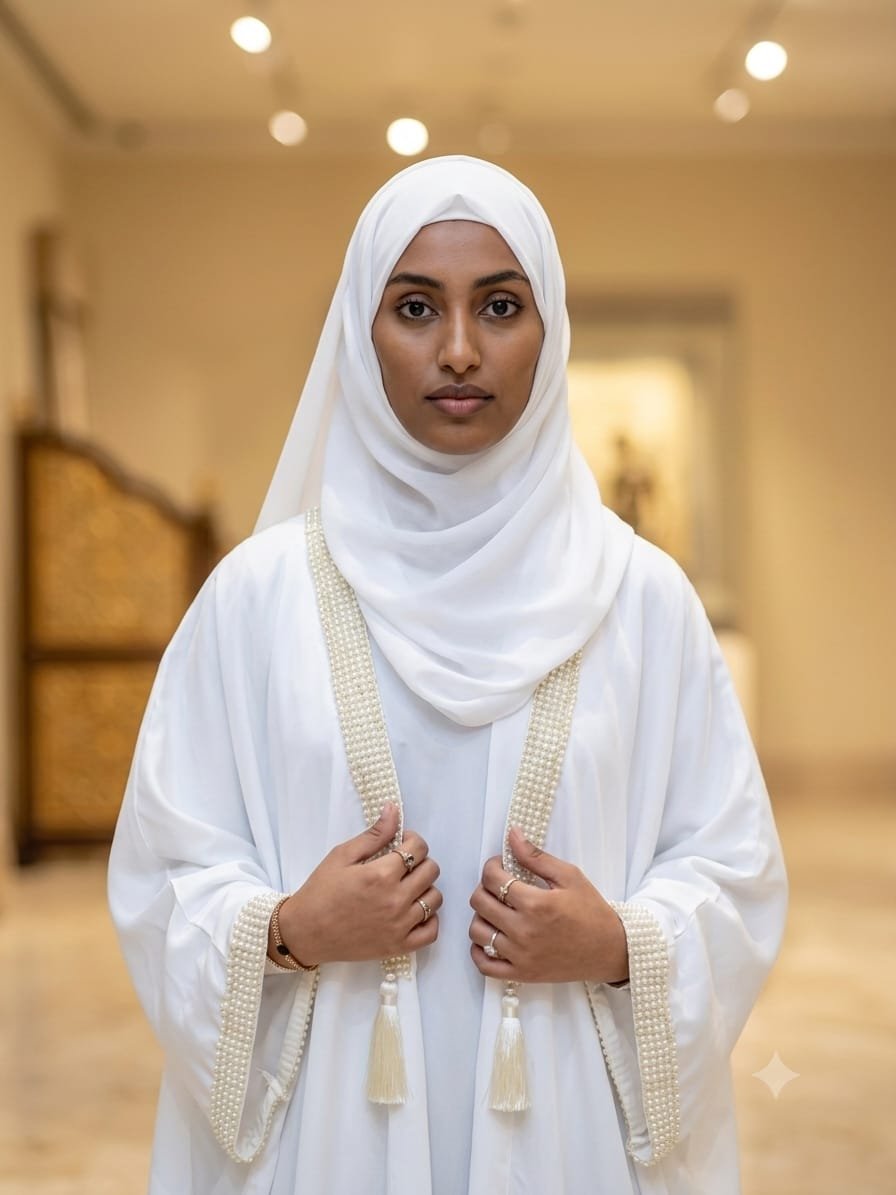
A manufacturer cannot quote or sample decisions it cannot see. A moodboard may communicate direction, but it rarely defines the exact garment, material, size range, quantity or approval route. A stronger first enquiry packages the design intent, commercial assumptions and open questions so a supplier can respond without silently filling the gaps.
Decision comparison
Manufacturer enquiry readiness at a glance
Use this as a status check before requesting a comparable quotation. Open items should be named, owned and dated rather than hidden.
| Enquiry area | Ready to send | Still open |
|---|---|---|
| Product | Style code, views and requirements agree | Conflicting design details or unclear category |
| Materials | Quality direction and performance are stated | Supplier proposal needed with approval owner |
| Measurements | Base-size direction and methods are clear | Fit decisions identified for sampling |
| Quantity | Units split by style, colour and size | MOQ basis awaiting supplier review |
| Commercial scope | Requested services and delivery basis are named | Allowances and exclusions need confirmation |
| Approval route | Sample purpose and decision owner are defined | Later sample stages remain project-specific |
1. Define the product and commercial brief
Give each style a code and one-sentence product description, then state the customer, use occasion, size range, destination and intended launch window. Add the quantity by style, colour and size rather than one collection total, because the split can affect fabric, cutting and packaging decisions.
Separate requirements from inspiration. A reference image can explain mood or proportion, but identify what must be original, what may be adapted and which coverage, movement, closure or care requirements are essential.
- Style code and current revision
- Garment category and intended customer
- Quantity by style, colour and size
- Destination and required delivery window
- Target quality and commercial position
2. Show one coherent design from every necessary view
Prepare front and back technical flats and add side or enlarged detail views when construction cannot be understood from two drawings. Mark panels, openings, pockets, closures, cuffs, hems, artwork and embellishment from stable reference points.
Check that every page describes the same garment. If a sketch shows a zip while the notes describe buttons, the supplier must guess which instruction controls. Record an open choice explicitly instead of leaving a contradiction.
3. Build the quote-ready technical file set
A manufacturer enquiry normally needs technical views, a measurement direction, material and trim information, construction notes, colourways, artwork, labels and packaging scope. A developed tech pack brings those decisions into one version-controlled record.
Not every item has to be final before an initial review, but its status must be visible. Mark information as confirmed, supplier to propose or pending brand approval, and name the person who will close it.
- Technical flats and detail callouts
- Base-size measurements and measurement method
- BOM for fabric, trims, labels and packaging
- Construction, artwork and placement information
- Revision date plus approval status
4. Describe materials by performance, not colour alone
State the known composition, construction or quality reference, approximate weight, usable width and colour standard. Also explain the behaviour the product needs: drape, opacity, stretch, recovery, care, abrasion or suitability for embroidery and print.
If the manufacturer will source a material, ask for a labelled swatch or sample reference before treating it as approved. List every trim and identify who may propose a substitute, how it will be compared and who can approve it.
5. Prepare the factory enquiry email and attachments
Use a subject line containing the brand, garment category and style code. In the message, summarise the product, requested services, quantity split, destination and the response you need. Attach one clearly named packet rather than scattering files across messages.
Ask the supplier to confirm relevant capability, the files reviewed, missing information and the person responsible for the reply. Do not send editable source artwork or unnecessary confidential material until the scope and handling route are appropriate.
- Short project summary
- Current PDF tech pack or controlled brief
- Separate artwork files where required
- Quantity and size-colour breakdown
- Numbered questions and requested reply date
6. Request a quotation that exposes its assumptions
Ask whether the response covers technical development, pattern work, samples, bulk materials, making, trims, labels, packaging, inspection and freight. Request exclusions and any item still based on an allowance rather than an approved specification.
Manufacturing MOQ is project-specific. Confirm whether a minimum applies to the total order, each style, fabric, colour, embellishment, trim, label or packaging component. Also ask what would change the price, MOQ or stated schedule.
7. Compare supplier replies on equal scope
Create one comparison sheet and place each supplier response against the same revision, quantity split and delivery basis. A lower unit number is not comparable if it excludes development, uses a different fabric or assumes unbranded packaging.
Log unanswered questions beside the price. Compare communication quality, relevant product evidence, sample route, material responsibility, payment stages, quality checkpoints and shipping responsibility as well as the headline cost.
- Same design revision and material direction
- Same units by style, colour and size
- Sample and bulk costs separated
- Terms, responsibilities and exclusions named
- Open assumptions visible before selection
8. Define what the first sample must prove
Name the sample stage and the decisions it should test. A development sample may test construction and silhouette; a fit sample checks measurements and movement; a representative pre-production approval may be needed before bulk. The exact route depends on garment risk and supplier scope.
Record any development substitute, including a different fabric, trim or decoration method, because it limits what the sample can prove. Consolidate feedback in one numbered document and update the current specification after each accepted correction.
9. Complete the handoff before payment or bulk approval
Before payment, confirm the accepted scope, deliverables, fees, revision allowance, assumptions, exclusions, responsibilities and payment stages in writing. Before bulk cutting, align the approved sample, current tech pack, materials, colour and size ratio, tolerances, checkpoints, packing and shipping route.
Zameett provides design and technical-development services across apparel categories. Sampling and manufacturing specialisation is mainly modest wear and abayas; every manufacturing route, MOQ and timeline must be reviewed for the specific garment, fabric, colour, embellishment, trims, packaging, suppliers and destination.
- One current file version
- Written sample or production approval
- Approved materials and component references
- Closed change and question log
- Project-specific scope confirmed before payment
Frequently Asked Questions
Questions about this topic
What should I send a clothing manufacturer first?
Send a short commercial brief, current technical views or tech pack, material direction, size range, quantity by colour and size, destination, target timing and a numbered list of questions. Mark information that is still open.
Can I ask for a clothing quote without a complete tech pack?
You can request an early review, but the supplier should identify which figures are provisional. A comparable production quotation needs enough confirmed information about the garment, materials, quantities, branding, packaging and delivery basis.
Should I send the same enquiry to several manufacturers?
Use the same controlled brief and revision for shortlisted suppliers so their scope, assumptions and exclusions can be compared. Avoid a broad mass email; first check that each supplier is relevant to the category and service required.
Should bulk production begin before a sample is approved?
The relevant sample and current specification should normally be approved before bulk cutting. The appropriate sample stages depend on garment complexity, materials, sizing and production risk.
Can Zameett confirm MOQ or timing from an inspiration image?
No. Manufacturing MOQ and timing depend on the reviewed garment, fabric, colour split, embellishment, trims, packaging, suppliers, quantity and destination. Scope and commercial assumptions must be confirmed before payment.
Apply This to Your Collection
Develop your next product with a clear scope.
Share your category, style count, available files, quantity and target date. Zameett will recommend the most suitable design, technical-development, sampling or reviewed production route.