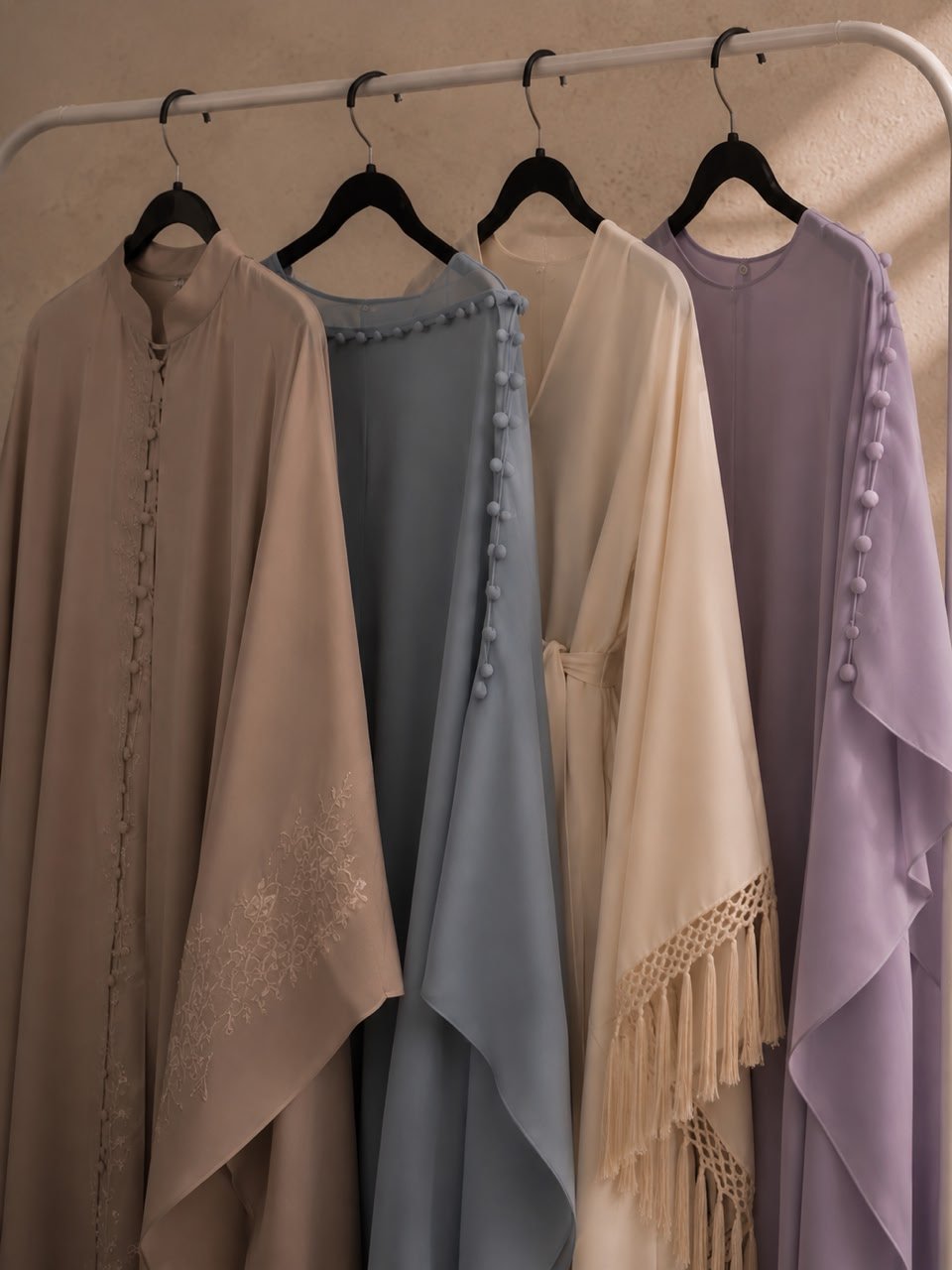
Garment samples are decision tools, not simply better-looking versions of the same product. A prototype explores whether the design works, a fit sample tests the base size, a size set checks selected sizes, and a pre-production sample can establish the agreed reference for bulk. Suppliers may use these names differently, so the written purpose, materials and approval status matter more than the label alone.
Decision comparison
Garment sample types and approval decisions
Use the sample name as a starting point, then confirm the exact question, material status and written approval required for your project.
| Sample type | Primary decision | Does not automatically approve |
|---|---|---|
| Mock-up or toile | Construction idea or shape | Final fabric, colour or finish |
| Prototype | Design, proportion and feasibility | Final fit, size range or bulk standard |
| Fit sample | Base-size measurements, balance and movement | Grading or final production materials |
| Presentation sample | Buyer, content or market presentation | Production readiness |
| Size set | Selected-size proportions and measurements | Every colour or production execution |
| Pre-production sample | Agreed product reference before bulk | Consistency across the whole order |
| TOP or shipment sample | Selected production or packed output | Quality of every unit |
1. Agree what the sample must prove
Start with the decision, not a generic sample checklist. A new silhouette may need construction and proportion testing; an established style in a different fabric may need material, fit and finishing checks; a multi-size range may need evidence beyond the base size.
Ask the supplier to confirm what the named sample includes and excludes. Terms such as proto, first sample, development sample, salesman sample and sealing sample can overlap between teams. Write the objective, required materials, requested size and approval owner into the quotation or development brief.
- Style code, sample type and revision
- Question or risk being tested
- Required size, colour and material status
- Deliverables, exclusions and approval owner
2. Mock-up, toile or construction trial
A mock-up or toile can test a difficult shape, panel, sleeve, collar or construction idea before a complete garment is developed. It may use inexpensive substitute material and omit branding, trims or finishing that are irrelevant to the question.
Because the material may not behave like the intended fabric, do not use a mock-up to approve final drape, opacity, stretch, surface appearance or colour. Photograph the tested area, record what was learned and identify which decisions still require a representative material.
3. Prototype or development sample
The prototype is an early physical interpretation of the design and current technical information. It can expose unclear seams, unrealistic details, balance problems, construction conflicts and proportions that were difficult to judge in a drawing.
Label every substitute fabric, trim, artwork method or internal construction. If the first sample combines prototype and fit objectives, state both in advance and record which conclusions remain limited. A visually acceptable prototype does not automatically approve sizing or bulk materials.
4. Fit sample and fit review
A fit sample is reviewed against the intended base-size specification on an agreed fit model, dress form or other documented reference. Check actual measurements, balance, ease, lengths, mobility, closures and the way the material affects the silhouette.
Fit comments should be measurable and located. Replace vague notes such as make it looser with the affected point of measure, current result, required change and supporting photograph. For abayas and modest garments, the review may also consider coverage, layering, opacity, movement, sleeve access and closure behaviour, according to the brief.
5. Salesman, presentation or press sample
A salesman or presentation sample may support buyer appointments, photography, ecommerce preparation or early market feedback. Its purpose is commercial presentation, so it may prioritise appearance and a selected sample size rather than proving the complete production route.
Record whether the sample uses final materials, labels, fit and construction. Marketing teams should not promise a detail that remains under development, and the presentation sample should not silently become the bulk standard unless its production status is explicitly reviewed and approved.
6. Size-set sample
A size set checks whether the approved base-size direction has translated appropriately into selected or all sizes. The route depends on the size range, garment, customer, pattern and production risk; sampling every size is not automatically required for every project.
Review critical dimensions and proportions at the smallest, middle and largest selected sizes. Include movement, garment length, sleeve and armhole behaviour, closures, pocket access, artwork placement and any modest-coverage requirement affected by scale. Record actual measurements rather than relying only on the size label.
7. Colour, print, embroidery and trim approvals
A full garment is not always the first efficient way to approve every component. Labelled swatches, strike-offs, lab dips, embroidery panels or trim samples can isolate colour, scale, handle, density, puckering, backing, placement and component quality before those choices are combined.
A component approval proves only the identified material or process under the stated conditions. Confirm the supplier, colour reference, substrate, technique, scale and approved sample date. When several components interact, the assembled garment still needs the appropriate review.
8. Pre-production sample and approved reference
A pre-production or PP sample should represent the specification intended for the agreed production route: fabric, colour, trims, labels, artwork, construction and finishing. Confirm with the supplier how its PP stage is made and which conditions it represents rather than assuming the name has one universal meaning.
Before authorising bulk, close or clearly document every exception, align the sample with the current tech pack and retain an identified approved reference where the project requires one. Written approval should name the exact style, colour, size, sample version and specification revision.
9. Top-of-production and shipment samples
A top-of-production sample is selected from early bulk output to compare production execution with the approved reference. A shipment or retention sample may document what was packed or remain available for later review, depending on the agreed quality plan.
These samples answer different questions from development samples and do not replace proportionate in-line or final inspection. Define who selects them, when they are reviewed, what happens after a failed check and whether production or dispatch must pause for a decision.
10. Build one controlled sample comment record
Give every received sample a style code, sample type, version, date, size and material status. Photograph consistent views, measure the agreed points and organise comments under fit, construction, fabric, trims, artwork, labels, finishing and packaging as relevant.
Use one consolidated decision: reject, revise, approve for a named next stage or approve with clearly listed conditions. Write accepted changes back into the tech pack, measurement chart, BOM and artwork files so the production team is not forced to reconcile an old specification with separate messages.
- Sample identity and purpose
- Actual versus required measurements
- Numbered visual comments
- Decision, owner and date
- Current specification revision
11. Scope cost, timing and the Zameett route
Request sample fees, included revisions, courier responsibility, required inputs and timing assumptions before work starts. The number and sequence of rounds are project-specific and can change with design readiness, materials, fit results, supplier response and approval speed.
Zameett provides design and technical-development services across apparel categories, while sampling and manufacturing specialisation is mainly modest wear and abayas. Sampling, production, MOQ, materials and supplier responsibilities are confirmed for the actual project before payment; sewing patterns or grading are not advertised as standalone services.
Frequently Asked Questions
Questions about this topic
What is the difference between a prototype and a fit sample?
A prototype explores whether the design, construction and proportions work as a physical garment. A fit sample is reviewed against an agreed base-size specification to test measurements, balance, ease and movement. One garment may combine objectives only when both are defined and recorded.
What is a PP garment sample?
A pre-production or PP sample is intended to represent the agreed specification for the proposed production route, including relevant materials, trims, branding, construction and finishing. Confirm the supplier's definition and approve the identified sample and current specification in writing.
Do I need a sample in every size?
Not automatically. The appropriate size-set route depends on the garment, size range, fit risk, pattern and supplier requirements. The selected sizes and measurements should be agreed for the project.
How many sample rounds are needed before bulk production?
There is no universal number. Design complexity, technical-file quality, material behaviour, fit corrections, embellishment, size range and approval speed can all change the route. The quotation should state the current assumptions and what triggers another round.
Can Zameett quote sampling from an inspiration image alone?
An inspiration image can begin a review, but a reliable scope also needs the garment category, intended design, size direction, materials, quantity, destination and required services. Deliverables, assumptions, timing and fees are confirmed before payment.
Apply This to Your Collection
Develop your next product with a clear scope.
Share your category, style count, available files, quantity and target date. Zameett will recommend the most suitable design, technical-development, sampling or reviewed production route.