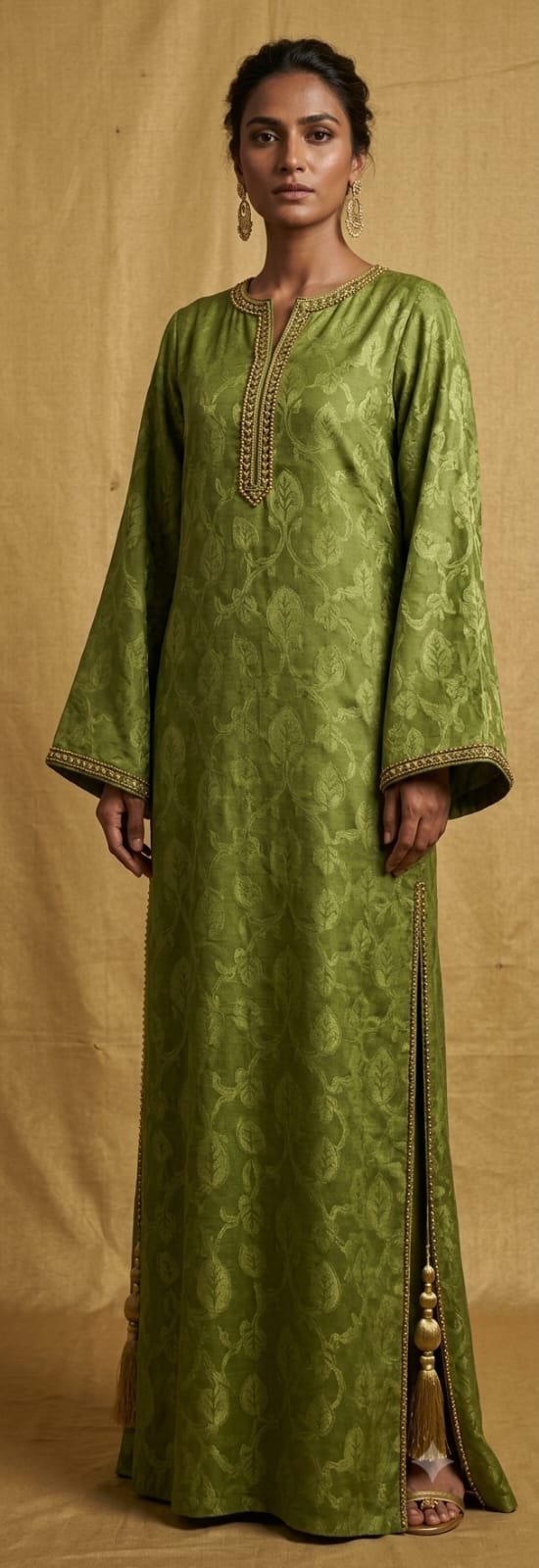
Fashion tech pack cost depends on the product decisions and deliverables being documented, not only the number of PDF pages. A resolved single-colour garment is a different assignment from a layered style that still needs design development, measurements, artwork and trim decisions.
Decision comparison
Tech pack quotation fields to compare
Use the same questions for every provider so a lower headline price is not being compared with a larger or more developed scope.
| Quotation field | What to confirm | Why it changes cost |
|---|---|---|
| Starting information | Resolved design, sketch, references or existing sample | More open decisions require development |
| Product scope | Styles, colourways and garment complexity | Each distinct product needs controlled details |
| Technical pages | Views, measurements, BOM, construction and labels | Different packs include different page sets |
| Artwork | Placement, original design, cleanup or repeat work | Artwork creation is separate from placement |
| Revisions | Included rounds and definition of new scope | Major direction changes add work |
| Handoff | PDF, editable sources and follow-up support | Formats and post-delivery involvement vary |
1. Why tech pack prices vary
A technical designer must interpret the brief, identify missing decisions and create a specification another technical person can follow. The work changes when references conflict, the product is unresolved or the garment has several components and wearing states.
Two suppliers can use the same service name while quoting different outputs. One may document an approved design; another may include concept refinement, original flats, measurements, a BOM, artwork or sample-stage support.
2. Starting point: resolved design or early concept
A clear front and back design, confirmed details and organised material references reduce discovery work. A sketch, inspiration image or verbal idea may require proportion decisions, component selection and additional technical views before specification can begin.
State which decisions are approved and which need development. A quotation should distinguish design work from documentation rather than hiding both inside a single page count.
3. Garment complexity and required views
A simple top normally needs fewer views and callouts than a lined jacket, layered abaya, reversible garment or detachable style. Panels, pleats, specialist closures, internal construction and engineered embellishment can each add drawing and checking time.
Ask which front, back, side, inside, open or detail views are included. The relevant measure is whether the views answer the garment questions, not whether the pack reaches an arbitrary number of pages.
4. Measurement and specification scope
Entering an approved client chart is different from defining points of measure, how-to-measure diagrams, a base-size specification and tolerances. Measurements still require qualified pattern development, a representative sample and fit review.
Confirm whether the quote includes a base size, multiple sizes, sample actuals or a measurement method. Sewing-pattern development and grading are separate specialist processes and are not advertised by Zameett as standalone services.
5. BOM, materials and trim detail
A basic material list may name shell fabric and visible trims. A developed bill of materials can also control lining, interfacing, thread, closures, labels, packaging, supplier references, colourways, units and approval status.
Ask whether the service records information you provide or also researches material options. Supplier availability, consumption and approved substitutions cannot be treated as fixed until the relevant development work is completed.
6. Artwork, embellishment and colourways
Placement prints, embroidery, beadwork, repeat patterns and labels may need separate production artwork, physical dimensions, colours and placement references. Adding a colourway can affect fabric, thread, trims, hardware and artwork rather than changing one swatch.
Clarify whether supplied artwork will only be placed in the pack or whether original development, cleanup, repeats or colour separation form part of the quotation.
7. Revision rounds and change boundaries
A revision round should cover review of a defined version against the agreed brief. Changing a label position is different from replacing the garment silhouette, adding a new colourway or introducing another style after development begins.
Confirm how feedback is consolidated, how many defined rounds are included and what counts as new scope. This protects both parties from an open-ended revision promise and keeps the current version identifiable.
8. File formats, source files and handoff
A review PDF, editable source, linked artwork and manufacturer-facing handoff are different deliverables. The recipient may need only a controlled PDF, while the brand may also require named editable masters for future authorised updates.
List required formats and ownership or licence terms before comparing totals. Also confirm whether supplier questions, sample comments or post-handover updates are included or quoted separately.
9. Per-style and collection quotations
A collection may gain efficiency from a shared page system, fabric library, label set and consistent terminology, but each style still needs its own identity, views, materials and relevant construction decisions.
Ask whether the price is per style, per defined collection, per colourway or per phase. Similar-looking styles are not automatically duplicates, and a reused template must not carry specifications from another garment.
10. How to compare two quotations fairly
Place both offers in the same matrix and mark each deliverable as included, excluded, client-supplied or subject to review. Compare the usable handoff rather than selecting the lowest headline number before the scope is normalised.
A smaller quote can be appropriate for a resolved product with limited deliverables. It becomes misleading only when essential measurements, artwork, revisions, source files or responsibilities are discovered after work starts.
- Number of styles and colourways
- Starting inputs and unresolved design work
- Flat, detail and measurement scope
- BOM, artwork, labels and packaging
- Revision rounds and change limits
- Final formats, handoff and exclusions
11. Requesting a Zameett quotation
Send the garment category, style count, front and back references, intended materials, colourways, size scope, artwork needs, existing files and target use. Mark unknown decisions honestly so the proposal can separate confirmed work from assumptions.
Zameett publishes starting packages and reviews each brief before confirming deliverables, revisions, timing, responsibilities, exclusions and payment. The scope must be confirmed before payment; sampling and manufacturing are quoted separately after project review where relevant.
Frequently Asked Questions
Questions about this topic
Is there one standard fashion tech pack price?
No. The starting information, garment complexity, style and colourway count, measurements, artwork, revisions and file deliverables all affect scope.
Why can two tech pack quotations be very different?
They may include different stages or outputs. Compare whether each quote covers design development, technical views, measurements, BOM, artwork, revisions, source files and handoff support.
Is a cheaper tech pack always incomplete?
No. A focused quote may suit a resolved, simple garment. Check that it includes every deliverable your intended handoff needs and clearly states what you must supply.
Does tech pack pricing include sewing patterns or grading?
Not automatically. These are separate specialist processes. Zameett does not advertise sewing-pattern development or grading as standalone services, and project scope must state any relevant responsibility.
How can I receive a more accurate Zameett quote?
Share the style count, garment references, materials, colourways, size and measurement needs, artwork, available files and target stage. Zameett confirms the exact scope before payment.
Apply This to Your Collection
Develop your next product with a clear scope.
Share your category, style count, available files, quantity and target date. Zameett will recommend the most suitable design, technical-development, sampling or reviewed production route.