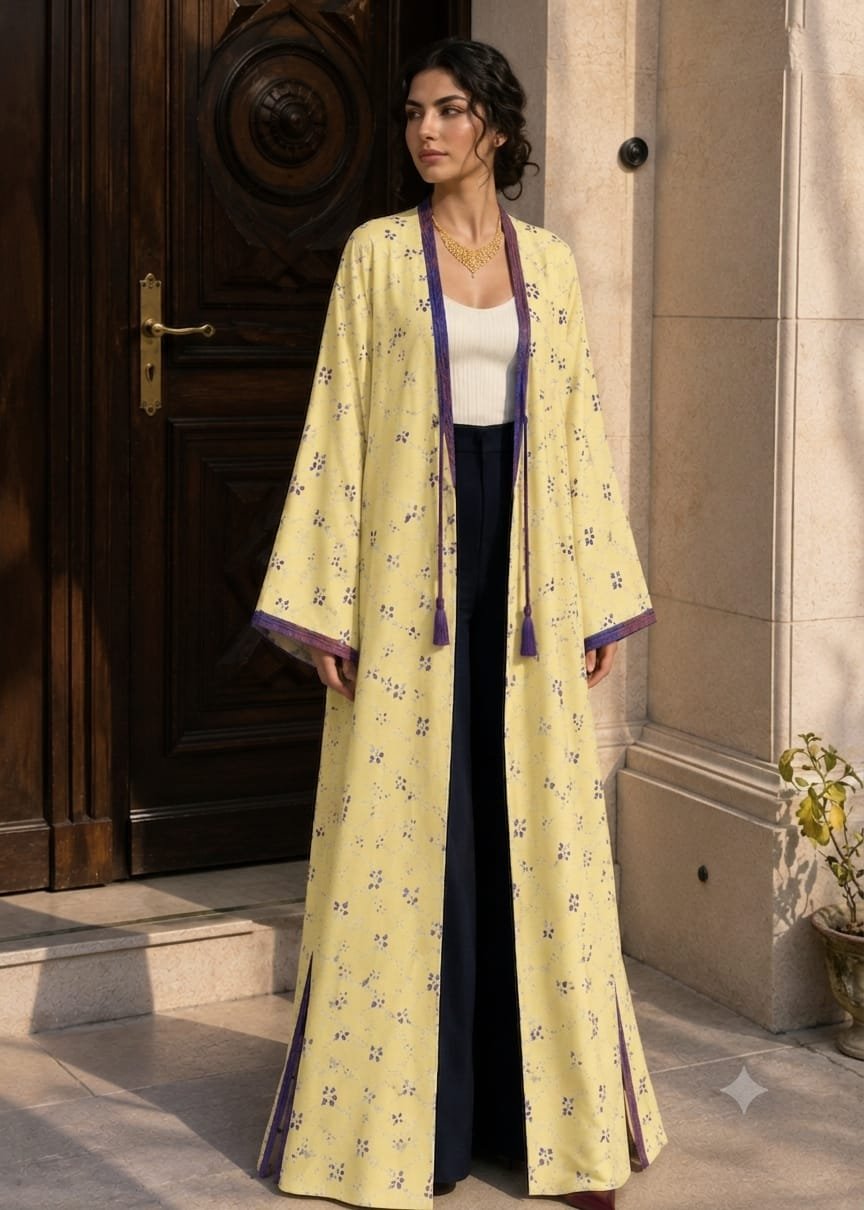
Fashion technical flats are neutral garment drawings used to communicate silhouette, proportion, panels, seams, openings, trims and other visible construction decisions. They turn a concept into a reviewable visual specification, but they work with measurements, a BOM, construction notes and sampling rather than replacing them.
Decision comparison
Technical-flat views and the question each answers
Select views according to the garment decisions that must be visible, not a fixed page count.
| View | Use it to show | Add when |
|---|---|---|
| Front | Overall silhouette, front seams, openings, pockets and closures | Always as a primary reference |
| Back | Back shaping, yokes, vents, seams and closures | Always as a primary reference |
| Side | Profile, side panels, volume and details crossing front to back | The side construction is not obvious |
| Inside or open | Facing, lining, hidden pockets, closures and layered builds | Internal construction affects the product |
| Detail enlargement | Small construction, trim, stitch or embellishment areas | The main view cannot show it clearly |
| Alternate state | Wrap, reversible, detachable or adjustable configurations | The garment changes during use |
1. Technical flat versus fashion illustration
A fashion illustration communicates mood, styling, movement and brand direction through a figure, pose, fabric expression or exaggerated proportion. A technical flat removes the model and presents the garment in a stable front, back or detail view.
Both can support product development, but they answer different questions. The illustration helps explain how a design should feel; the flat helps a technical team identify what the garment contains and where its visible details belong.
2. Start with style identity and drawing status
Label the page with the style code, garment name, revision, date and drawing owner. If the view is an early concept rather than an approved technical direction, mark its status so a supplier does not treat it as a released instruction.
Use the same style code and component terminology across the flat, BOM, measurement specification, artwork and sample comments. A precise drawing attached to the wrong revision is still an unsafe handoff.
3. Show the required garment views
Front and back views are the usual starting point. Add side, open, closed, inside, turned-out or layered views when they reveal construction that the main pair cannot show clearly.
A lined coat may need an interior view; a wrap dress may need open and closed states; a reversible garment needs both wearing sides. Choose views because they resolve decisions, not to reach a fixed drawing count.
4. Keep proportion useful but do not imply scale
Draw believable garment proportions and keep related views visually consistent. Shoulder width, body length, sleeve shape and hem sweep should describe the same style even though the flat is not a pattern or scale drawing.
Written measurements and point-of-measure methods control dimensions. Do not ask a pattern specialist or manufacturer to derive an exact size by measuring the illustration on screen.
5. Use a consistent line-language
Distinguish outer edges, panel seams, folds, topstitching, hidden details and centre lines using a restrained, repeatable convention. Line weight and dash style should improve reading when the page is reduced, printed or viewed on a normal screen.
Avoid decorative lines that resemble construction. If a convention could be misunderstood, add a short legend or callout rather than assuming every supplier uses the same visual shorthand.
6. Draw seams, shaping and openings
Show panel joins, yokes, darts, pleats, gathers, vents, plackets, pockets, cuffs, waistbands, hems and openings that affect the garment structure. Front and back views must agree where a seam travels around the body.
Clarify whether a line is a seam, fold, edge or stitch line. Complex cross-sections or internal builds may need a separate construction sketch and written workmanship note.
7. Show closures, trims and component placement
Represent zips, buttons, snaps, hooks, drawcords, buckles, eyelets, elastic channels, labels and visible hardware in their intended locations. Number or name each item so it can be matched to the correct BOM row.
Enlarge small features when page scale hides them. A generic dot or rectangle cannot control button size, zip type, label direction or attachment, so keep component specifications in the linked technical pages.
8. Build detail callouts that resolve questions
Use enlarged callouts for necklines, cuffs, pockets, plackets, vents, layered seams, modest-wear openings or embellishment edges. Each detail should add information that is not readable in the main flat.
Keep leader lines unambiguous and give callouts stable numbers or names. Written notes should point to a specific location and approved reference instead of using vague directions such as make like image.
9. Coordinate artwork, colourways and embellishment
Outline the physical area for placement prints, embroidery, beadwork or appliqué, then link a separate approved artwork file with dimensions, technique and colour references. Measure placement from stable seams or edges.
State whether artwork mirrors, repeats, changes by size or crosses a seam. Colourway pages should use the same panel, trim and artwork names as the black-and-white technical flats.
10. Audit the flat against the full tech pack
Trace each visible component from the flat to its BOM entry, construction note, measurement or artwork reference. Compare front, back and detail views for panel count, seam direction, closure placement and terminology.
Then check the sample and accepted comments against the drawing. If fit or construction changes alter what is visible, revise the flat and revision history before the next controlled handoff.
- Front, back and required extra views agree
- Every visible trim maps to the BOM
- Detail callouts add readable information
- Artwork uses stable placement landmarks
- Measurements are not inferred from drawing scale
- Revision status matches the issued tech pack
11. Zameett technical-flat scope
Zameett develops original concepts, technical flats, tech packs and textile artwork across apparel categories, with specialist modest-wear attention during technical development. The required views and detail depth depend on the garment and the files already available.
The proposal confirms styles, views, colourways, formats, revision rounds, responsibilities, timing and exclusions before payment. Technical flats do not automatically include standalone sewing-pattern development, grading, sampling or manufacturing unless the project scope states the relevant route.
Frequently Asked Questions
Questions about this topic
What is a fashion technical flat?
It is a neutral front, back or detail drawing that communicates garment silhouette, proportion and visible construction without the styling and pose of a fashion illustration.
Are technical flats drawn to scale?
Usually no. They should be proportionally believable and internally consistent, while exact finished dimensions belong in the measurement specification.
How many views does a manufacturer need?
Use front and back as a starting point, then add side, inside, open, closed or detail views wherever the garment cannot be understood safely from the main pair.
Can technical flats replace a tech pack?
No. Flats are the visual part of a broader specification. Materials, measurements, construction, colourways, artwork, labels and revisions require their own controls.
Do Zameett technical flats include sewing patterns?
Not automatically. Zameett does not advertise sewing-pattern development or grading as standalone services, and all project deliverables are confirmed before payment.
Apply This to Your Collection
Develop your next product with a clear scope.
Share your category, style count, available files, quantity and target date. Zameett will recommend the most suitable design, technical-development, sampling or reviewed production route.