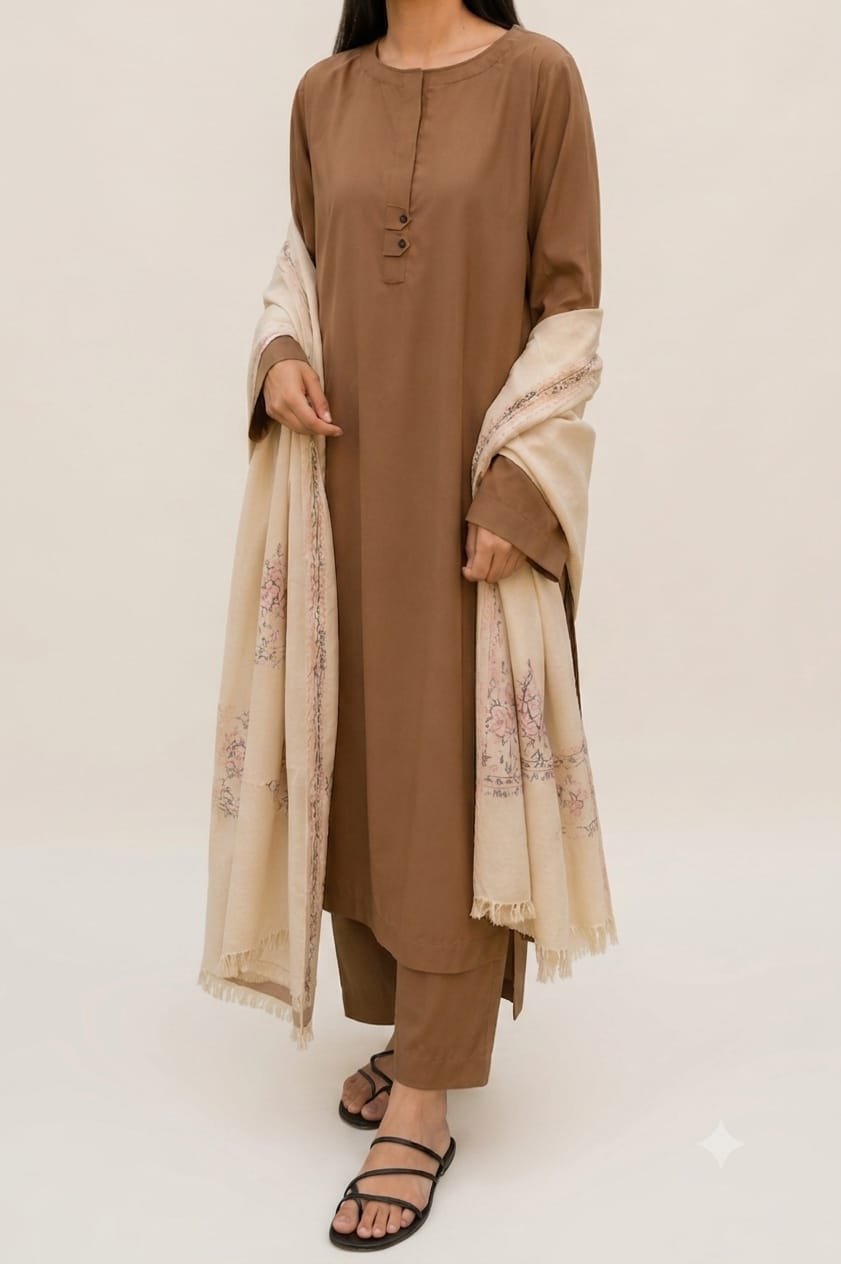
A fashion bill of materials, usually shortened to BOM, is the controlled component list for one garment style and revision. Inside a tech pack it connects what is drawn to what must be sourced, costed, sampled, approved and prepared for the agreed handoff.
Decision comparison
Core garment BOM fields and why they matter
Use these fields to separate product identity, sourcing detail, quantity assumptions and approval status.
| BOM field | What it controls | Check before release |
|---|---|---|
| Component code | A stable identity across pages and colourways | No duplicate or recycled codes |
| Specification | Material, quality, size, finish or other defining detail | Specific enough to source or review |
| Placement | Where the component is used | Matches flats and construction |
| Colourway | The approved component option for each garment colour | No missing thread, trim or artwork colour |
| Unit and consumption | The quantity basis for costing or purchasing | Estimate or approved value is labelled |
| Source and status | Supplier responsibility and approval stage | Reference and decision owner are current |
1. What a garment BOM controls
The BOM translates visible and hidden product decisions into line items. Main fabric, lining, thread, closures, labels and packaging may be reviewed by different people, but they need to describe one coordinated style.
It supports quotation, sourcing, sample preparation and quality review. It is not the entire tech pack: technical flats, measurements, construction, artwork and revision records provide controls the material list cannot supply.
2. Start with style and revision identity
Place the brand or project name, style code, garment description, season or collection, colourway and BOM revision at the top. The same identifiers should appear on the cover, flats, artwork, sample comments and quotation.
Without version control, a buyer can price one material list while the sample room works from another. State the issue date, document owner and approval status, then withdraw obsolete releases from the shared handoff folder.
3. Fabrics, linings and support materials
List the main shell, contrast, lining, pocketing, interfacing, padding or other support materials as separate components. Useful specifications may include composition, quality or supplier reference, colour, width, weight, finish and exact placement where relevant.
Describe the property that matters instead of relying on a broad name such as black crepe. Opacity, drape, stretch, handle and finish can change the result, so a digital entry should link to a reviewed swatch, supplier submission or other agreed reference.
4. Trims, closures, thread and hardware
Buttons, snaps, zips, elastic, drawcords, hooks, eyelets, buckles, fasteners and thread need enough detail to identify the intended item. Record size, material, colour or plating, supplier code and placement where applicable.
Generic descriptions hide commercial and visual differences. Gold zip does not define the tooth type, tape colour, puller, finish or length; each detail may affect the sample, price and supplier minimum.
5. Labels, branding and packaging
Treat the main label, size label, care label, country or compliance label, hangtag, barcode sticker and each attachment as separate entries when they are part of scope. Link them to artwork and placement pages using stable file names.
Protective bags, tissue, stickers, hangers, inserts and cartons can also sit in the BOM when packaging forms part of the product handoff. Custom labels and packaging may carry their own supplier quantities, so they must be confirmed for the specific project.
6. The fields that make a BOM usable
A practical row names the component, identifies its category and code, states its specification, colourway, placement, supplier or source reference, unit, consumption basis and approval status. Add notes only when they clarify a decision that is not controlled elsewhere.
Use status values such as proposed, submitted, approved or client supplied consistently. A blank cell should mean not applicable only when that is explicit; otherwise it can be mistaken for missing information.
- Component category and unique code
- Precise description and placement
- Colourway and source reference
- Unit and consumption basis
- Supplier responsibility
- Approval status and revision
7. Consumption, wastage and units
Consumption states how much of a component is expected per garment or per agreed pack. Fabric might be recorded in metres or another supplier unit, while buttons and labels are usually counted in pieces. State the sample size or size basis behind the value.
Early consumption may be an estimate. Pattern dimensions, usable fabric width, repeat matching, marker efficiency, shrinkage, defects and cutting allowances can change the production value. Keep estimated, sample and approved quantities distinct rather than presenting one number as universally final.
8. Colourways and coordinated component sets
Each garment colourway needs a valid combination of shell, lining, thread, trims, hardware, labels and artwork. A master list can be paired with a colourway matrix, but both must use the same component codes.
Check that names such as black, jet black and colour 01 are not being used for one approved shade unless the relationship is documented. For prints or embroidery, link the correct artwork version, scale, technique and placement rather than embedding an ambiguous thumbnail.
9. Proposed substitutes and approval gates
A supplier may suggest a replacement because a material is unavailable, below minimum, late or commercially unsuitable. The BOM should record the proposed alternative, the property it must match and who can approve it.
Do not overwrite the approved row without a trace. Keep the original reference, sample the substitute where required, document the decision and update every affected colourway, cost assumption and revision before the next stage.
10. Audit the BOM before quotation or release
Trace each visible and hidden component from the technical flat to the BOM, colourway, construction or artwork page. Then confirm that every BOM row has a placement and that no inactive template item has been left in the file.
Before release, ask whether quantities are estimates or pattern-based, whether allowance is included, which party sources each item and which references are approved. The goal is not more rows; it is a component list another team can follow without inventing missing decisions.
- All flat components appear in the BOM
- Every row maps to a valid colourway
- Units and quantity basis are stated
- Artwork and label files use matching codes
- Substitutions require written approval
- The latest revision matches the issued tech pack
11. How Zameett uses BOM scope
Zameett develops fashion concepts, technical flats, tech packs and textile artwork across apparel categories. The BOM depth depends on the garment, available supplier information, colourways, branding and the stage at which Zameett joins the project.
The proposal confirms deliverables, revisions, inputs, responsibilities, formats, timing and exclusions before payment. Sampling and manufacturing specialisation is mainly modest wear and abayas; manufacturing MOQ is project-specific and depends on the garment, fabric, colours, embellishment, trims, packaging and suppliers.
Frequently Asked Questions
Questions about this topic
Is a BOM only a fabric list?
No. A garment BOM can include shell and lining fabrics, support materials, thread, trims, closures, hardware, labels, branding items and relevant packaging.
Is a fashion BOM the same as a tech pack?
No. The BOM is one controlled section of a tech pack. Flats, measurements, construction, colourways, artwork and revisions supply additional information.
What does consumption per garment mean?
It is the quantity of a component expected for one garment or defined pack, using a stated unit and size basis. Early estimates may change after pattern, marker, testing or supplier review.
Should proposed materials appear in the BOM?
Yes, if their status is unmistakable. Separate proposed, submitted, approved and client-supplied components so a placeholder is not treated as a bulk instruction.
Does a BOM confirm the manufacturing MOQ?
No. MOQ must be assessed for the specific project because fabric, colours, embellishment, trims, labels, packaging and supplier requirements can each create different minimums.
Apply This to Your Collection
Develop your next product with a clear scope.
Share your category, style count, available files, quantity and target date. Zameett will recommend the most suitable design, technical-development, sampling or reviewed production route.